What cable size you need for a flat or a house
Ready examples for lighting, sockets, air conditioning, a cooker and the main supply. Which cable grade to choose and when you need a calculation.
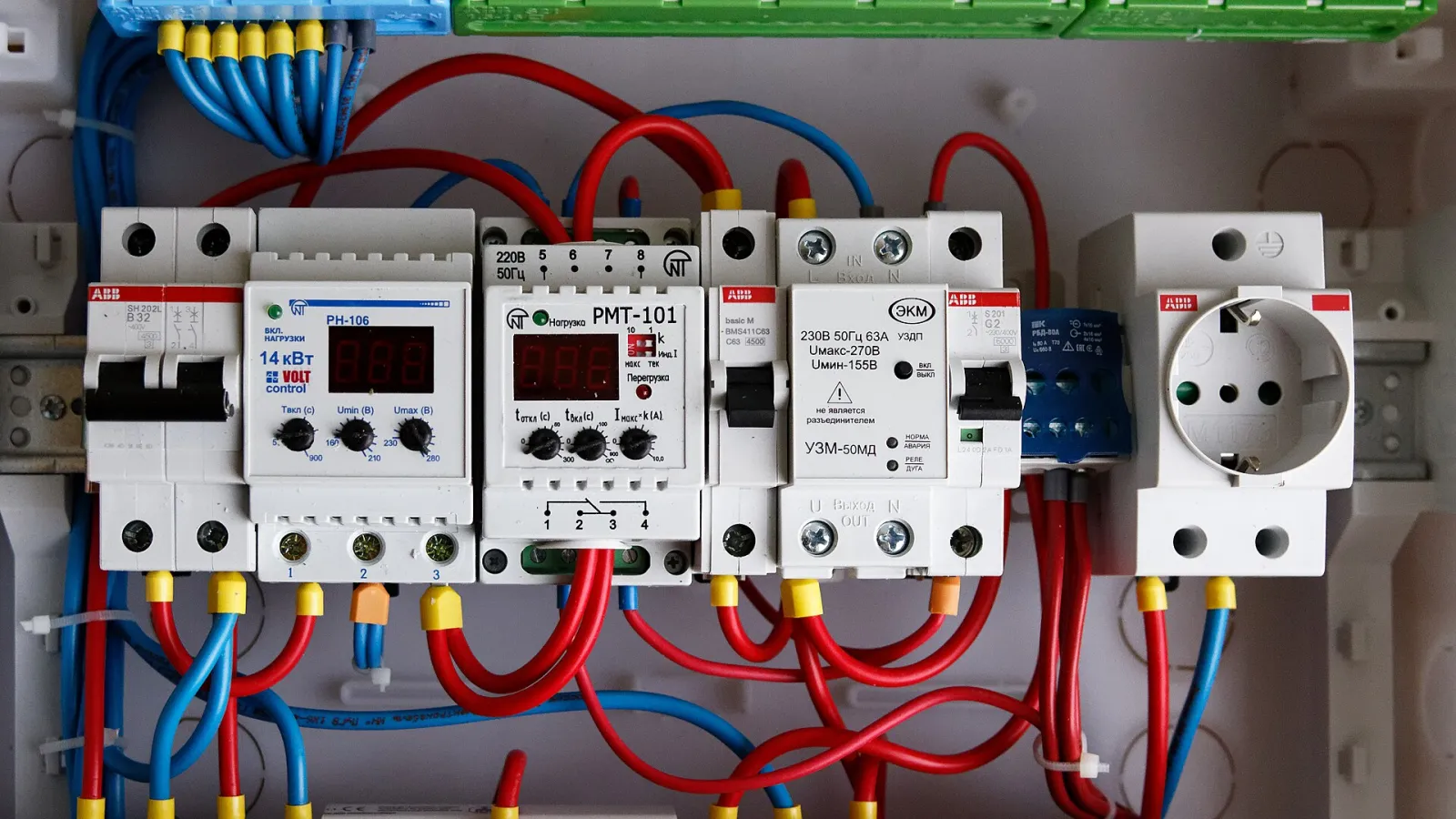
Cable size is chosen by the load and by the circuit breaker that protects the line. A cable that is too thin will overheat. One that is too thick just costs more. Below are typical figures for an ordinary flat with copper wiring.
Lighting
Copper cable 1.5 mm² with a 10 A breaker. That is more than enough for the lights in a flat.
Sockets
Copper cable 2.5 mm² with a 16 A breaker. One circuit usually serves the sockets of one or two rooms.
Air conditioner, water heater, washing machine
Give each appliance its own 2.5 mm² circuit on a 16 A breaker. If the appliance is rated above 3.5 kW, use 4 mm² and a 25 A breaker.
Electric cooker
Copper cable 6 mm² with a 32 A breaker. This covers cookers up to 7 kW.
Main supply to the flat
Usually copper cable of 6 to 10 mm². The exact size depends on the allocated power stated in the utility's connection conditions.
Which cable grade to choose
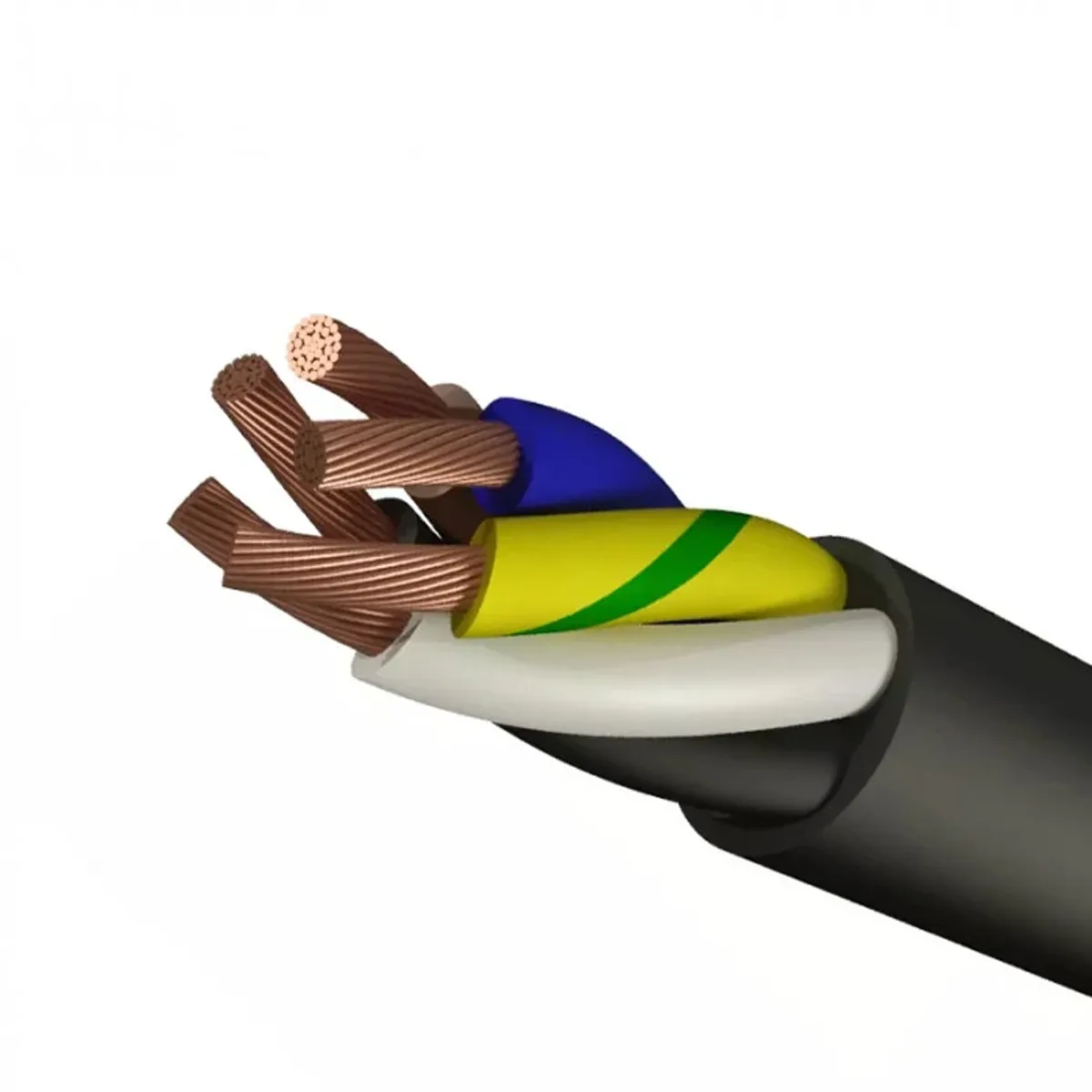
- Concealed wiring in walls: VVGng(A) or VVGng(A)-LS. The ng(A) index means the cable does not spread fire. LS gives off little smoke in a fire.
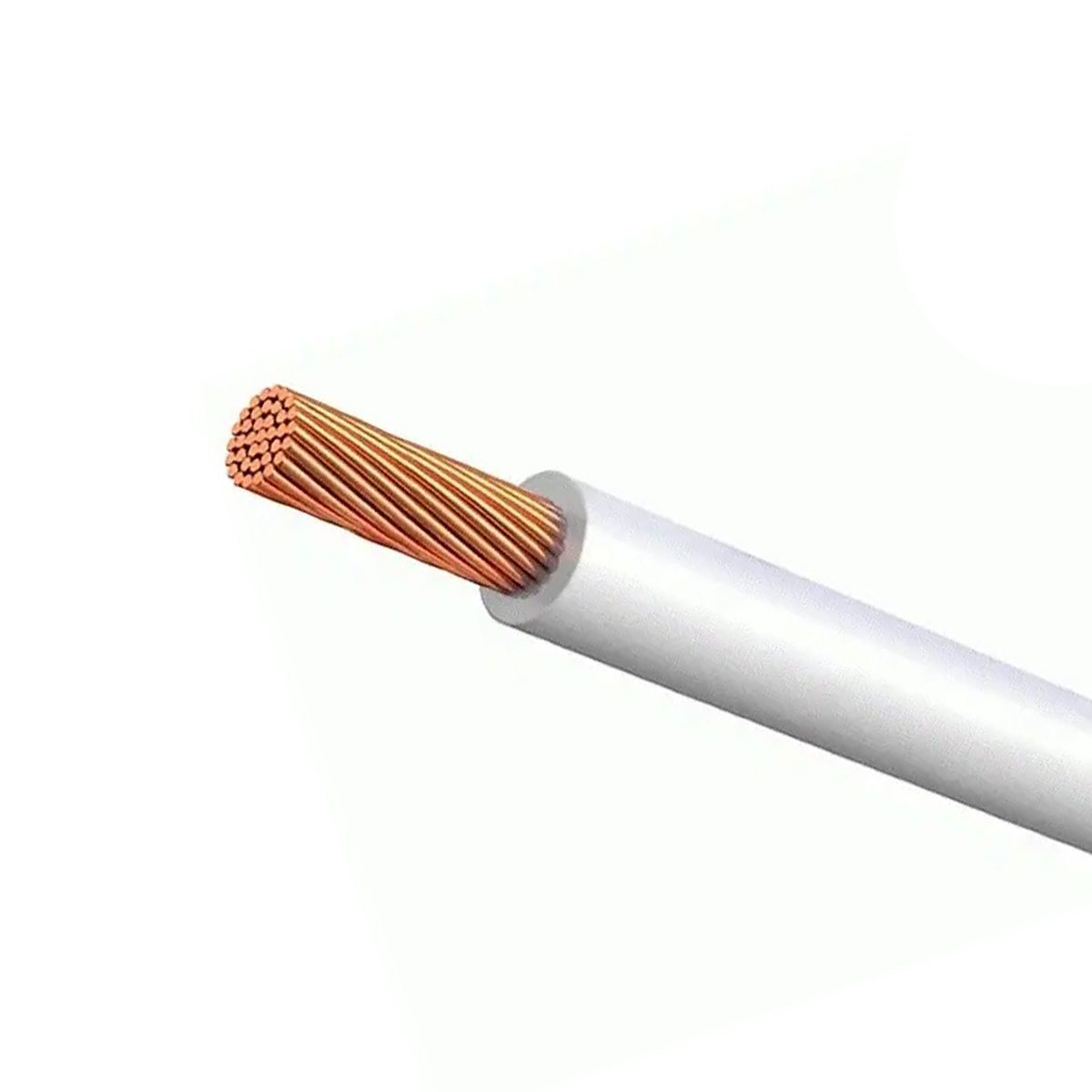
- Distribution boards and places where the wire has to bend: PuGV.
- Extension leads and household appliances: PVS.
Copper or aluminium
The electrical installation rules (PUE) used across CIS countries call for copper conductors in the internal wiring of residential buildings. Aluminium AVVG suits the service cable from a pole, outdoor lines and industrial sites.
These figures are for a typical flat. For a house with long runs, a pump or a welding machine, the size should be calculated. Use the cable size calculator in the Useful section of our site or send the list of appliances to our manager and we will pick the cable.